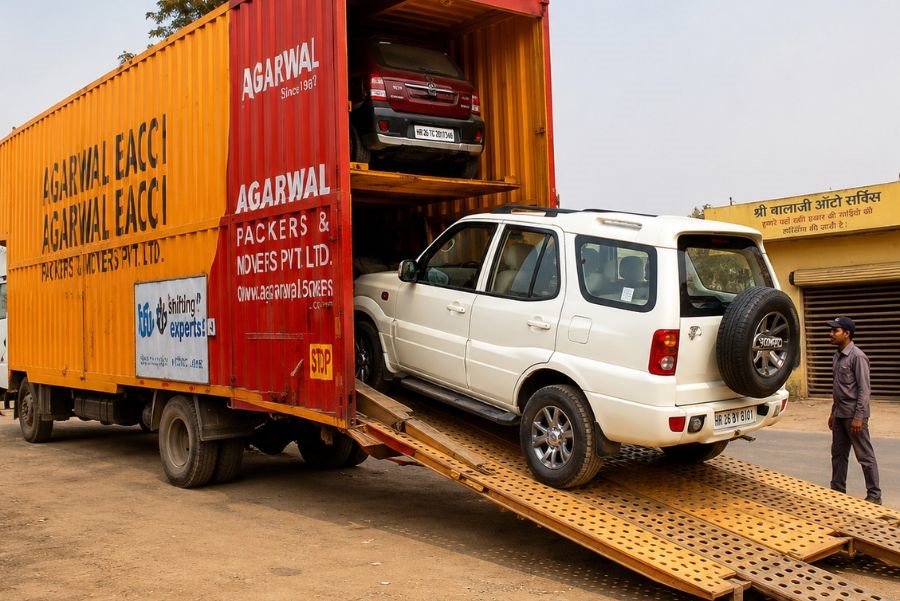
Relocating to a new city involves long-distance transport through highway transit, varying road conditions, and multi-tier handling. Even with professional packing, unexpected events like bad weather, road accidents, or sudden braking can pose risks to high-value goods.
That is where Transit Insurance becomes critical. Understanding how coverage options work, what policies cover, and how to file claims ensures complete financial protection for your household assets during intercity relocations.
"Transit insurance isn't an extra cost—it's your safety net against unpredictable road conditions, giving you complete peace of mind while your belongings are in motion."
Everything You Need to Know About Transit Insurance
Transit-Only Insurance vs. All-Risk Storage Insurance
Transit-Only Policy: Covers damage or loss occurring strictly while the vehicle is in motion on the road (e.g., collisions, overturned trucks, or fire).
Comprehensive/All-Risk Policy: Covers damage from the moment packing begins, during loading, throughout transit, and up until unpacking at your destination.
How Premium Amounts Are Calculated
Insurance premiums are typically calculated as a small percentage (usually 1.5% to 3.5%) of the total declared value of your goods. Declaring accurate item values ensures you receive fair compensation in case of an incident.
Key Inclusions: What Is Covered?
Standard moving policies cover damages caused by vehicle accidents, fire outbreaks, overturns, natural disasters (floods, landslides), and theft or pilferage during transit when verified with an official police report.
Key Exclusions: What Is NOT Covered?
Insurance generally will not cover: self-packed boxes (since poor packing isn't covered by movers), cash, jewelry, original legal documents, perishable foods, or pre-existing mechanical failure in un-inspected electronics.
Essential Steps to Claim Insurance Smoothly
Inspect all boxes before signing the delivery receipt. If you spot damage:
• Take high-resolution photos and video proof immediately on unloading.
• Note damaged items clearly on the driver's copy of the consignment bill.
• Notify the moving company and insurer within 24 to 48 hours.
Final Thoughts
Opting for transit insurance converts unpredictable road hazards into a manageable, risk-free process. Always insistence on receiving an official policy document with a valid policy number directly from the insurance provider before the truck leaves your premises.

Written by Rahul S.
Risk Management Analyst & Logistics Claims Advisor with over 7 years of expertise in intercity freight safety and policy valuation.